Investment projects implemented by the Murmansk Branch
Planned and current investment projects of the Murmansk Branch
Investment projects implemented by the Murmansk Branch
One of the main activities of the FSUE "Rosmorport" Murmansk Branch is implementation of the federal investment programs, and the capital investment programs of the enterprise, which are aimed at the development of the federal port infrastructure facilities in Murmansk Seaport.
Acting as a client constructor since 2004 the Murmansk Branch implemented the following investment projects to improve the port infrastructure and the quality of services provided to the ship owners, consigners, and other consumers in seaports.
Kandalaksha Seaport
In 2015 in accordance with the permission of the Committee for Property and Land Relations and Civil Building of the Administration of Municipal Entity “Kandalaksha District” dated 02.11.2015 No. 51-RU51503000-03-2015 the Kandalaksha Gulf VTS in Kandalaksha Seaport, which had been constucted earlier, was commissioned. The VTS is designed to enhance the level of navigation safety in the approaches and waters of the seaports of Vitino and Kandalaksha. When the enterprise obtained Rosmorrechflot Certificate No. 16.01867.315 of April 29, 2016 – the certificate of Kandalaksha Gulf VTS compliance with the performance specifications requirements imposed upon VTS Category II Kandalaksha Gulf VTS was put into operation from April 2016.
Murmansk Seaport
2006
In 2006 76.4 metres of the coast protection of the passenger area at passenger terminal in Murmansk Seaport were reconstructed. Implementation of the project allowed to extend the quay, and arrange mooring of the Lenin
 nuclear-powered icebreaker in order to preserve it as Museum of History and Development of Russian and Nuclear-Powered Fleet.
2007
In 2007 an investment project to repurpose berth No. 17 for handling of iron-ore concentrate was completed together with EuroChem MCC, JSC. Completion of the first stage of works to lengthen undercrane rails, construction of railways with switches and bumping posts, construction of an open warehouse and repair dredging of the berth basin created the conditions for handling up to 1.5 mln tons of iron-ore concentrate at berth No. 17 in addition to its moulding – alumina.

2008
In 2008 construction of an automated radio technical post at Cape Set-Navolok was finished. Integration of the new radio post into the Kola Bay VTS helped to provide sustainable control over vessel traffic at recommended waterways in the approach to Kola Bay (19 sea miles to the north from the entrance to Kola Bay), as well as at recommended waterways in the northern, middle and southern bends of the Kola Bay and in the Murmansk Seaport basin.

2009
In 2009 fenders were modernized at berth No. 7 in Murmansk Seaport. As a result, the berth resumed operation with better technical characteristics and the possibility to handle vessels with maximal deadweight of 66.8 thousand tons.
2010
In 2010 the long-distance lines pier of Murmansk Seaport passenger terminal was repaired due to its considerable wear. The implemented technical solutions for pier repairs allowed to normalize the technical condition of the hydraulic engineering structure not changing its passport characteristics, and to improve its operational characteristics.

2011
In 2011 auxiliary berth No. 12 in Murmansk Seaport was modernized. Partial replacement and fitting of berth with 20 extra vertical four-section fenders along 198 meters of the berth was made in order to shut out damage of small-sized vessels and berth structures, as well as to prolong the working life of the facility. причала № 12

2012
In 2012 capital repairs of auxiliary berth No. 16 with installation of fenders were completed. As a result, the berth was fitted with fenders, barrier curb was replaced; concrete iron superstructure was repaired and curb angles was restored; wire duct tiles were changed; projected bottom level was restored and it was cleaned from foreign objects; pile wall was repaired. Those improvements made it possible to handle vessels with the following dimensions: tonnage – 1 200 tons, LOA – 49.8 metres, breadth – 17 metres, cargo draught – 4,93 metres. причала № 16
2015
In 2015 in accordance with decision No. RU77203000 of Rosmorrechflot dated 14.01.2015 the reconstructed long-distance lines pier intended for acceptance and servicing of passenger vessels, auxiliary fleet vessels laying up and servicing was put into operation. According to the results of the reconstruction project implementation the distant lines pier length was increased by 58.6 meters to 206.6 meters and the width was increased by 5.9 meters to 19.6 meters, that will allow to service vessels up to 180.45 meters long, with breadth up to 25.46 meters and loaded draft up 5.59 meters at the distant lines pier. If the results of the modeling of the mooring process at the distant line pier are positive, it is proposed to increase dimensions of vessels that could moor and be serviced at the distant lines pier in future. Besides, within the project implementation, widening of the coastal protection of the passenger area of the seaport of Murmansk by 15, 3 meters was performed in order to strengthen the coast protection from erosion.
2016
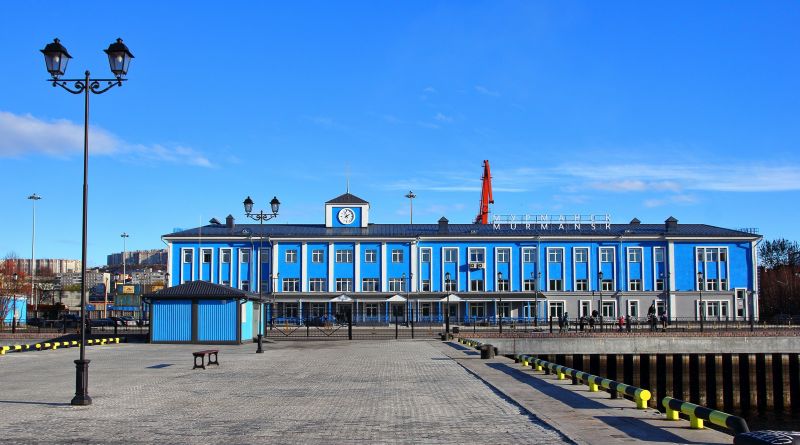
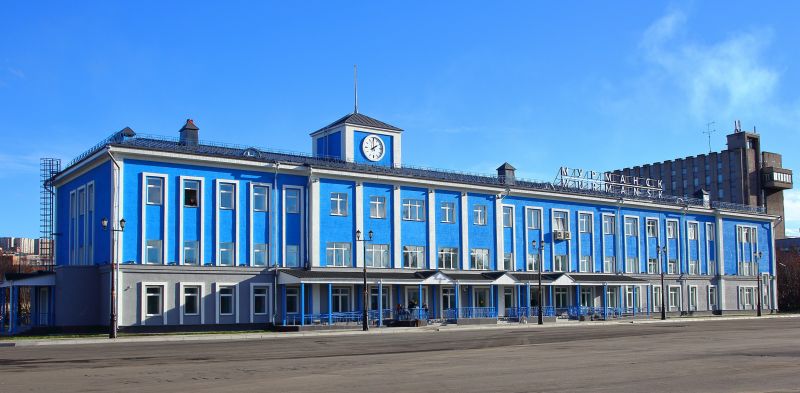
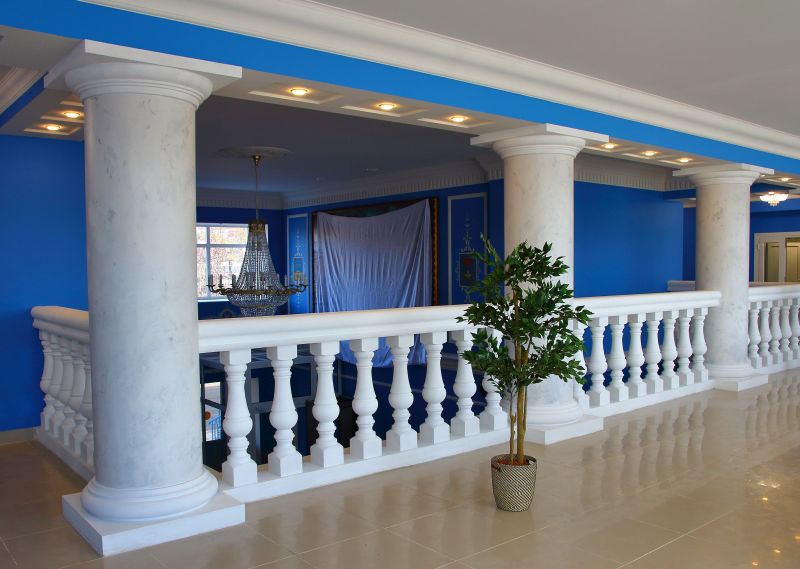
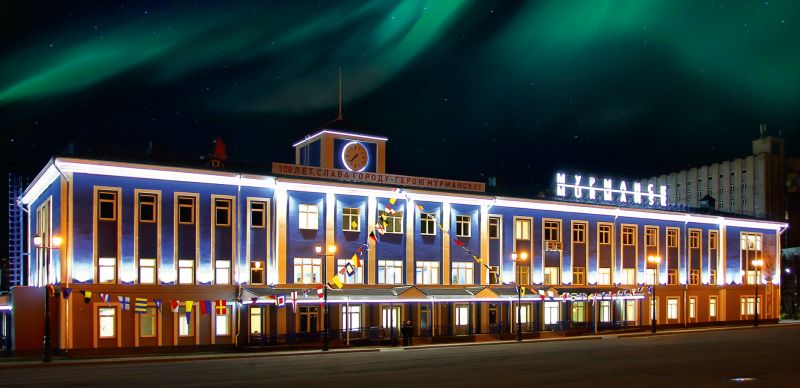
In 2016, in accordance with the permission of the Committee for Urban Planning and Territorial Development of the Murmansk Administration No. 51-320000-489-2016 dated October 3, 2016, the reconstructed building of the sea station in the seaport of Murmansk was put into operation. During the reconstruction, the total area of the building increased from 1,700 square meters to 4,747 square meters, and the construction volume of the building increased from 8,890 cubic meters to 17,476 cubic meters; measures were taken to improve the seismic resistance of the structure; works on the construction of the third floor of the building were carried out; conditions to serve people with limited mobility were provided; service areas for passengers following routes on domestic sea lines (for 50 people) and on international cruise lines were marked out; conditions for the efficient operation of the checkpoint across the state border of the Russian Federation with a capacity of 120 passengers per hour were provided; premises to accommodate employees of port authorities and state control and oversight bodies were created. The implementation of the project has improved the quality of passenger service in the seaport of Murmansk and has contributed to the development of sea cruise tourism in the Murmansk Region.
2022
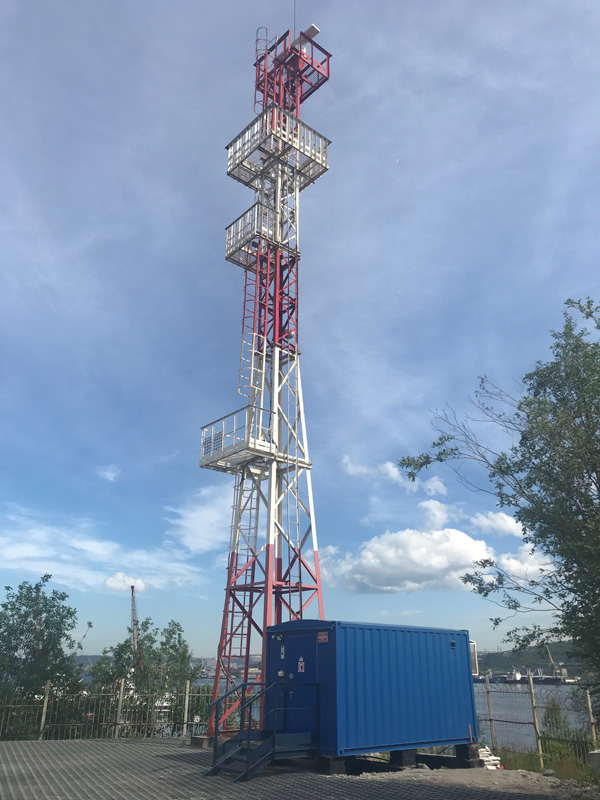
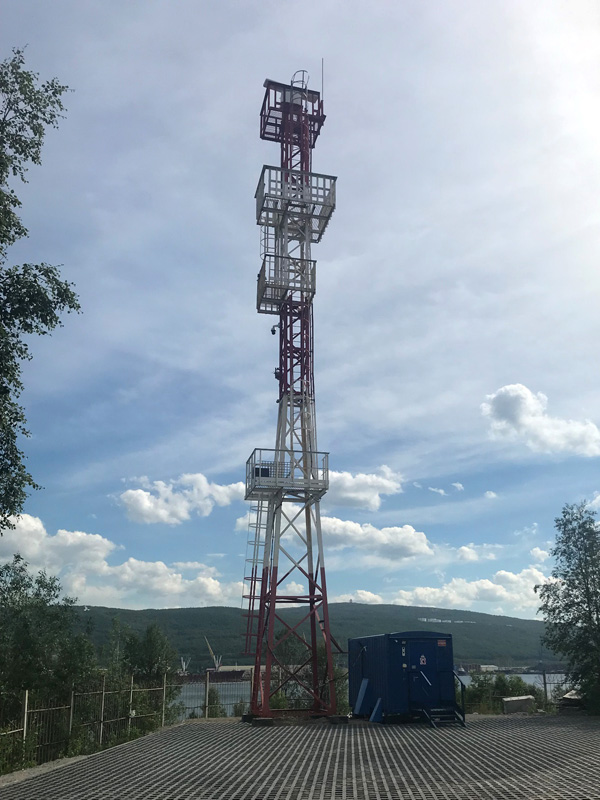
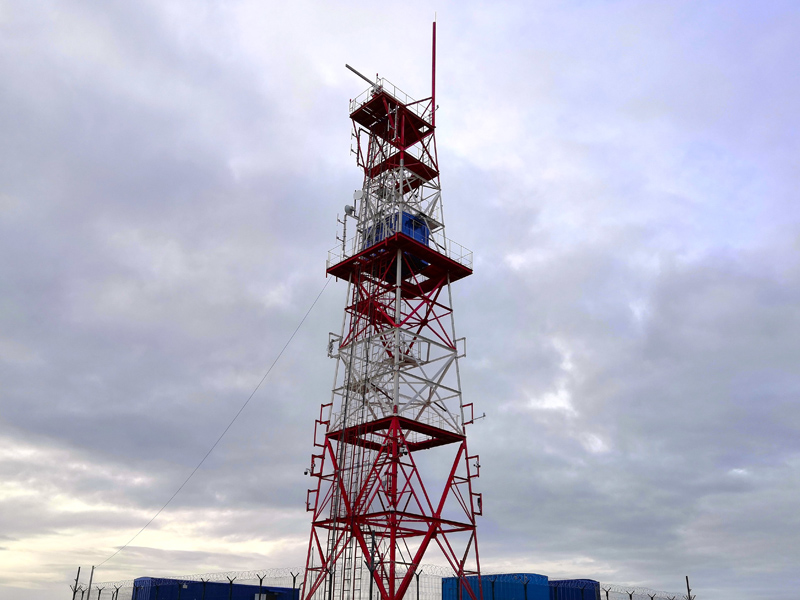
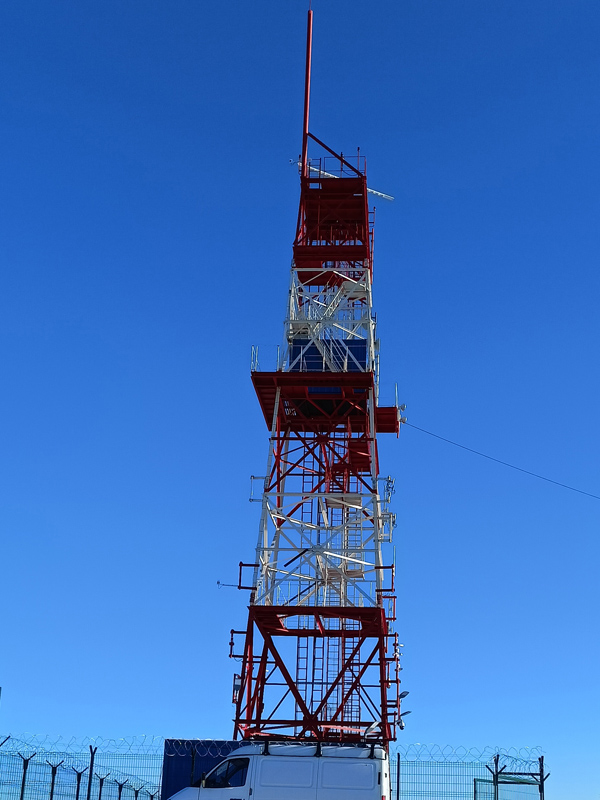
In 2022, in accordance with the permission of the Committee for Urban Planning and Territorial Development of the Murmansk Administration No. 51-RU 51301000-735-2022 dated March 16, 2022, the automated radio technical post Obzor was put into operation. The post is integrated into the VTS of the Kola Bay and intended for radar control over vessels traffic in the southern part of the Kola Bay, including at the berths of the seaport of Murmansk, which increases the level of navigation safety in the area of operation of the Kola Bay VTS.
2024
In January 2024, in accordance with the permission of the Administration of the closed administrative territorial unit Vidyaevo of 30.01.2024 No. 51-30-1-2024, the automated radar post “Ura-guba” was put into operation. The radar post is integrated into Kola Gulf VTS and intended for radar control of navigation in the section of the seaport of Murmansk water area in Ura Bay and on approaches to it, which increases the level of navigation safety in the Kola Gulf VTS coverage area.
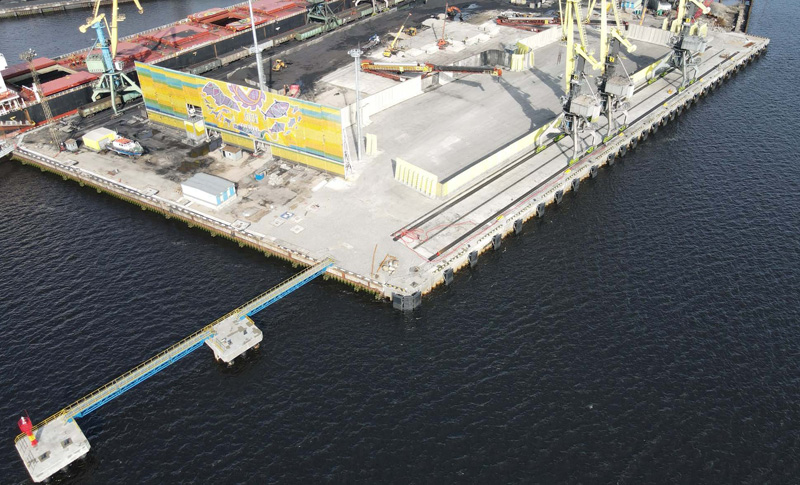
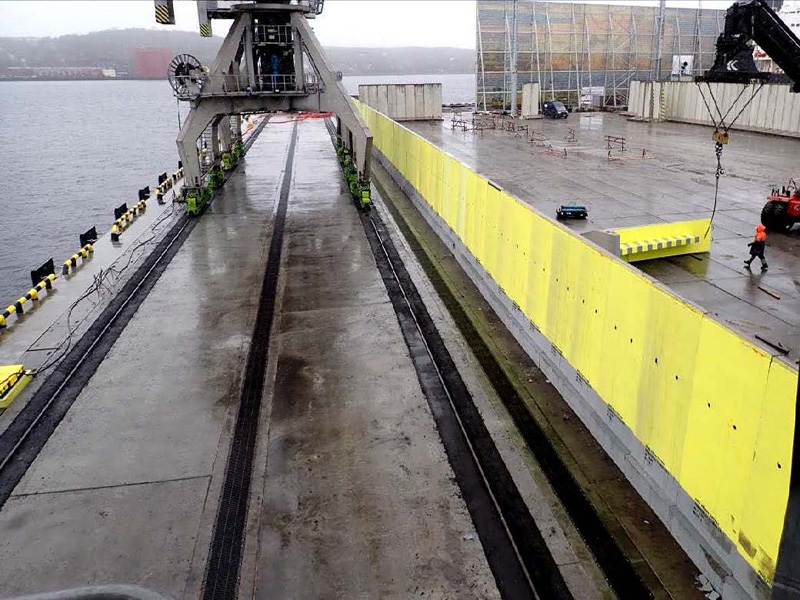
In February 2024, in accordance with the received permission of Rosmorrechflot of 06.02.2024 No. 51-20-BT-39/3-2024-FAMRT, the reconstructed berth No. 2 in the seaport of Murmansk with a length of 284.4 m, a width of 40 m and bottom marks at the berth cordon -14.8 m, with a design capacity of almost 1.6 million tons of coal per year, intended to provide services to vessels with the following dimensions: length up to 235 m, width up to 38 m, loaded draft up to 14.5 m. The reconstruction of berth No. 2 was carried out in order to create additional capacities for receiving, storing and transshipping of coal, which will help to redistribute the volume of transshipped cargo at berth No. 4 in full to berth No. 2 and in the future to withdraw berth No. 4 for reconstruction.
Planned and current investment projects of the Murmansk Branch
At present, the Murmansk Branch, as part of its own capital investment programs in the seaport of Murmansk, plans to implement the following investment projects in the form of capital investments to develop facilities of the coastal port infrastructure:
Murmansk Seaport
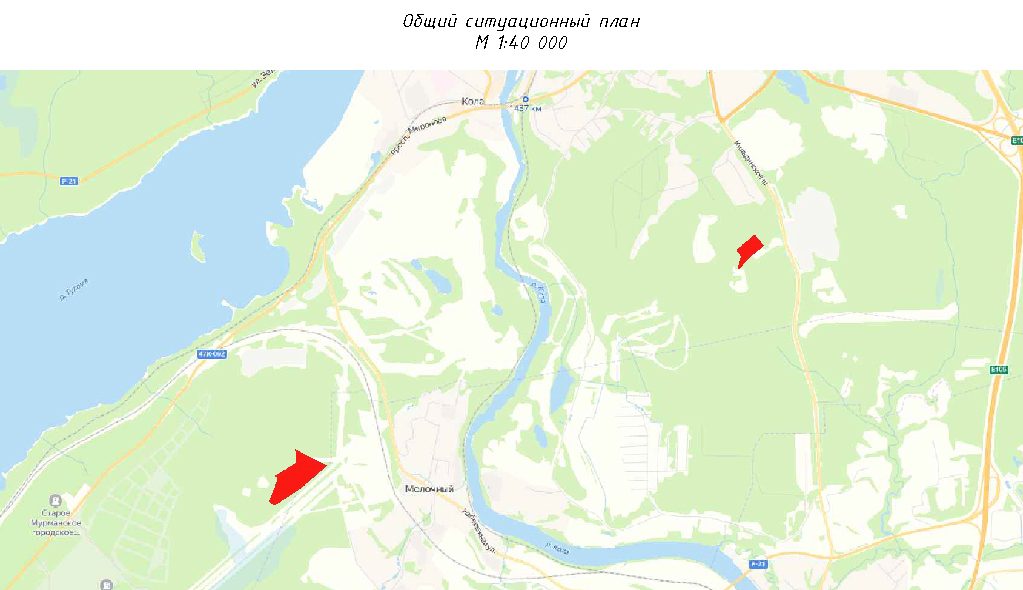
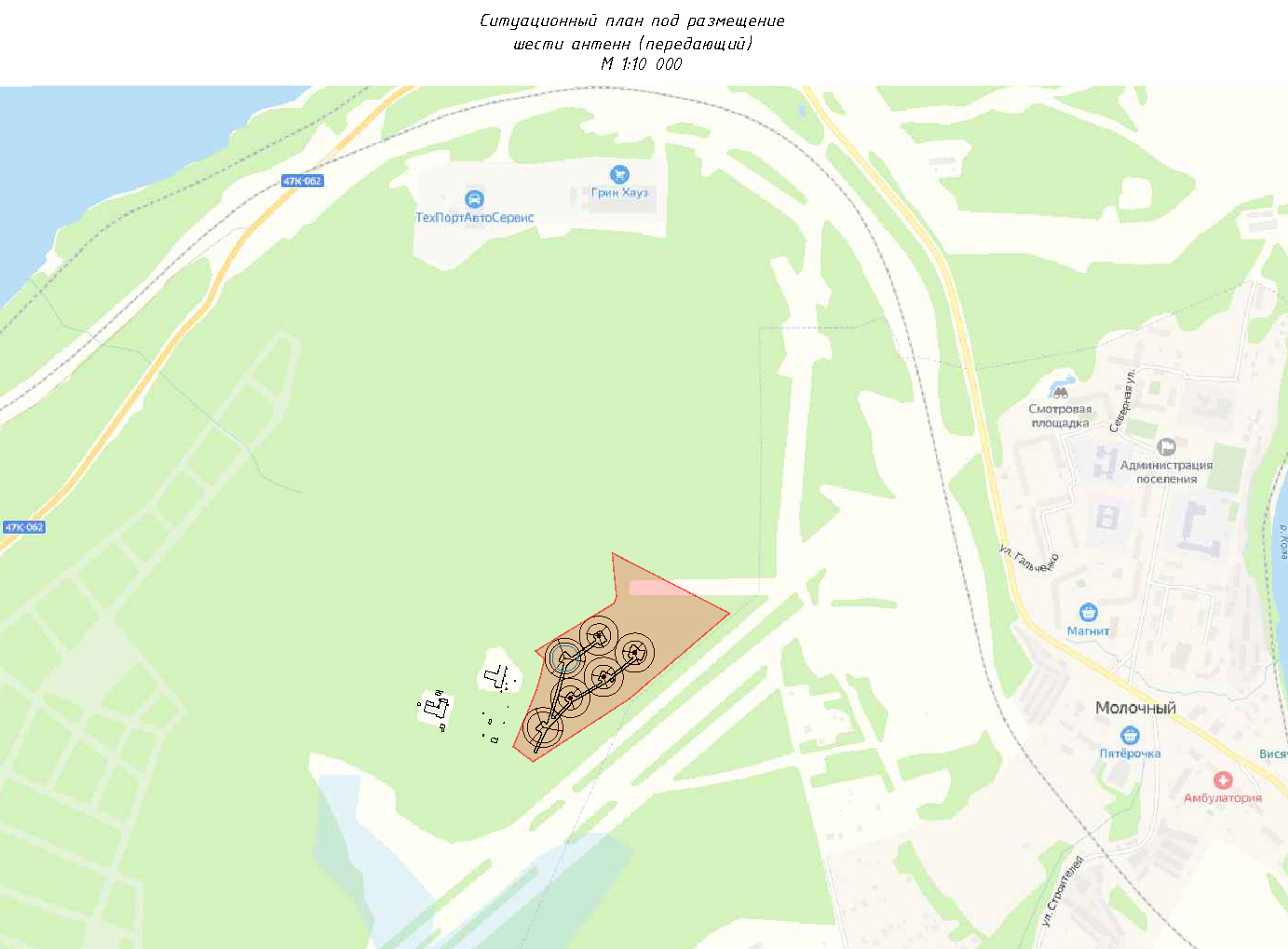
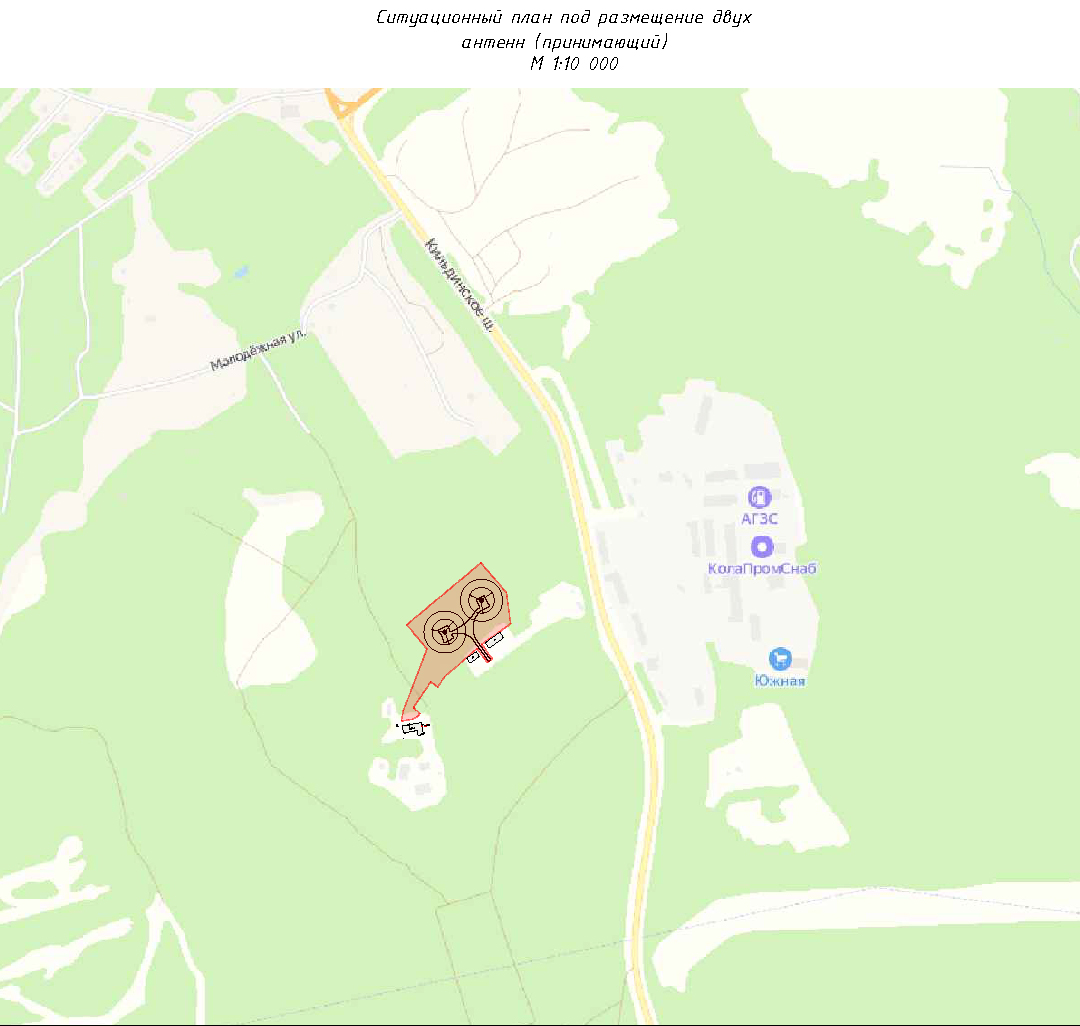
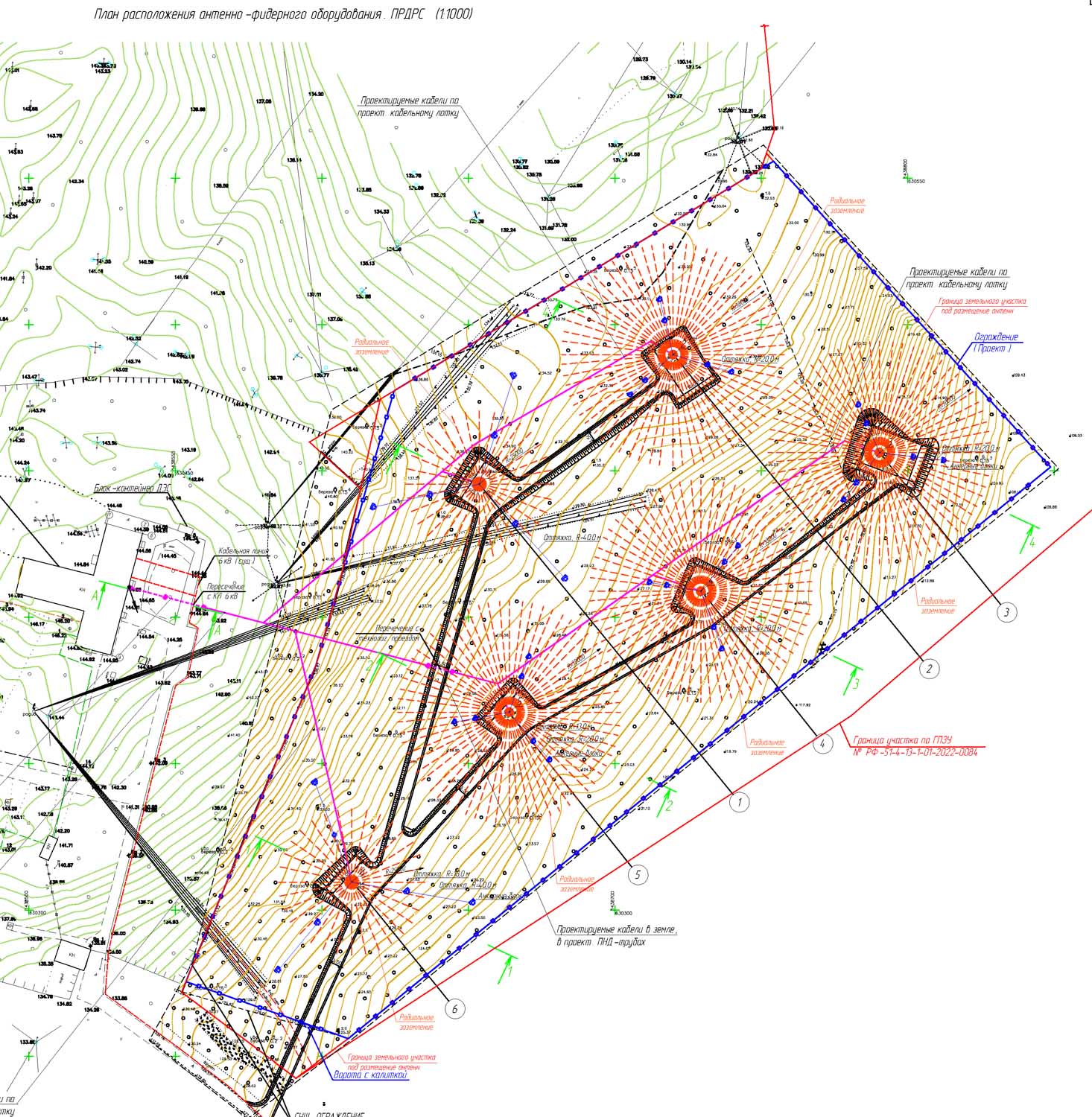
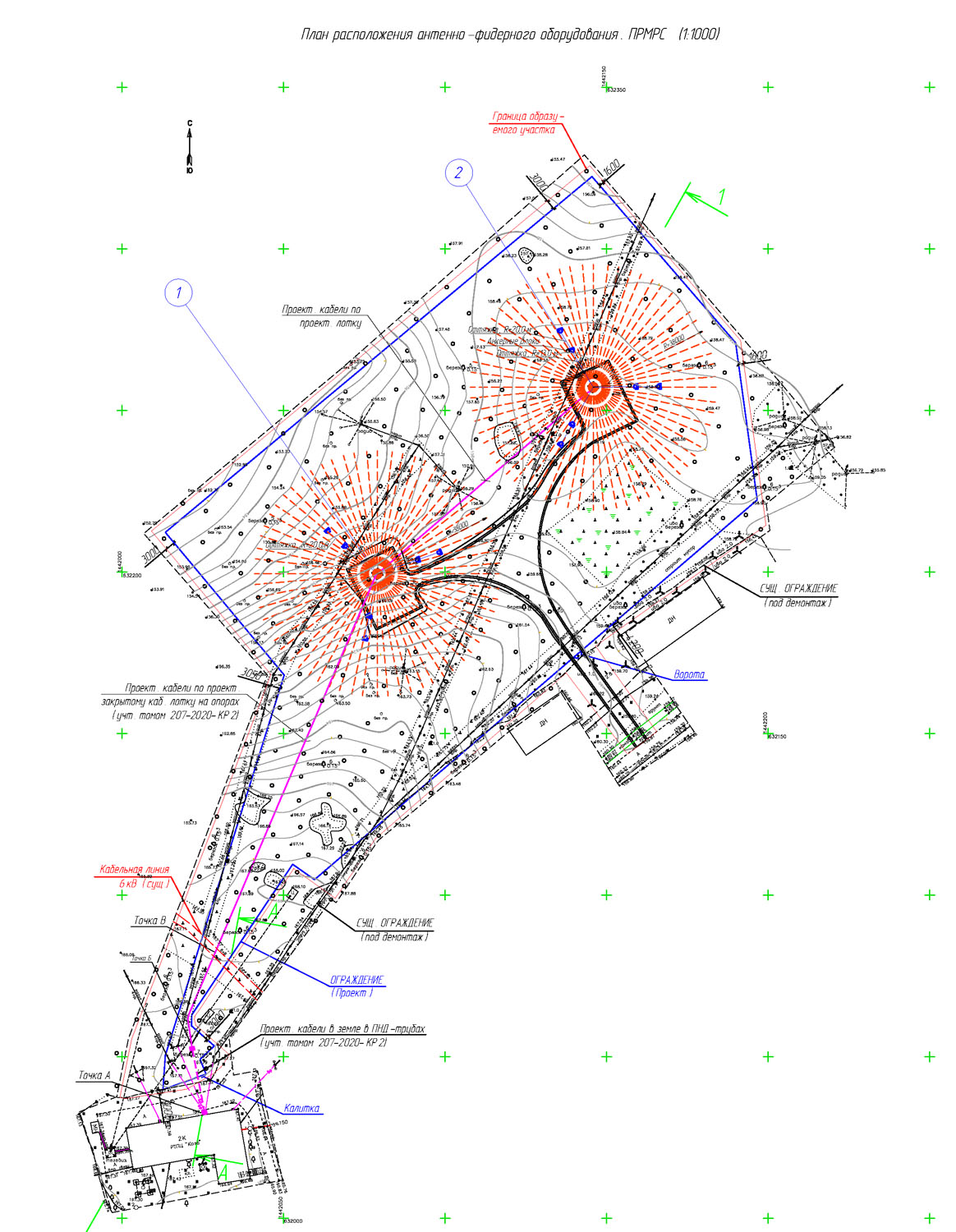
• project for the construction of antennas of the sea area A2 GMDSS coast station and the NAVTEX system. As part of the capital investment project, it is planned to build 2 receiving and 4 transmitting antenna masts with a height of 30 m, intended for receiving and transmitting signals from the sea area A2 GMDSS, as well as 2 transmitting antennas with a height of 40 m for transmitting signals in the NAVTEX system. As for the facilities being created in the sea area A2 GMDSS, the implementation of the project will improve the quality and stability of radio exchange on intermediate and short waves, carry out procedures for processing distress, urgency and safety calls using digital selective calling technology with vessels within a radius of at least 170 nautical miles navigating in the southern part of the Barents Sea; and as for the NAVTEX system facilities being created, it will allow the stable transmission of distress, urgency and safety radio signals to vessels at sea, as well as navigation and meteorological messages to coastal areas of the sea within a radius of at least 300 nautical miles.
At present, a specialized organization is carrying out survey work and design.
In case of successful completion of the design work and subject to receiving positive conclusions of state examinations and the allocation of necessary funding, the start of construction and installation work is planned for 2025.